Whether you’re a marketing director, VP of sales and marketing, or part of an in-house marketing team, continuous learning can help you improve occupancy, strengthen your brand, and create better experiences for prospective residents and their families.
In this guide, we’ll explore the best senior living marketing resources, the skills marketers should prioritize for 2026, and how leaders can build a culture of learning that drives long-term success.
- The Pace of Change Has Never Been Faster
- How Successful Marketers Use Senior Living Marketing Resources to Stay Ahead
- The Channels and Skills That Will Matter Most in 2026
- The Human Skills Becoming More Valuable
- Building a Culture Around Senior Living Marketing Resources
- The Best Investment Marketers Can Make
For senior living marketing teams, this evolution presents both opportunity and pressure.
New platforms emerge constantly, consumer behaviors evolve, search algorithms change, and AI tools seem to launch daily. What worked six months ago may no longer be the most effective strategy today, making continuous learning a critical part of modern marketing.
The reality is simple: marketing is no longer a profession where you can learn a skill once and rely on it for the next decade.
The most successful marketers aren’t necessarily the ones with the largest budgets or the newest technology. They’re the ones who consistently invest in learning, experimentation, and professional development.
For senior living organizations, that investment matters even more. Marketing teams are responsible for attracting future residents, supporting occupancy goals, strengthening referral relationships, and creating trust with families during one of life’s most important decisions.
Investing in senior living marketing resources helps teams stay ahead of industry changes, improve performance, and create a sustainable competitive advantage.

How Successful Marketers Use Senior Living Marketing Resources to Stay Ahead
Below are some ways you can proactively invest in yourself and your role…
Set Aside Dedicated Learning Time
One of the simplest and most effective strategies is creating recurring time for professional development.
Whether it’s 30 minutes every Friday morning or an hour each week blocked on the calendar, intentional learning time helps marketers stay informed without feeling overwhelmed.
Many high-performing teams treat learning time the same way they treat strategy meetings. It’s protected time that supports future results. And the benefits extend beyond skill development.
According to LinkedIn’s 2024 Workplace Learning Report, 8 in 10 people say learning adds purpose to their work. When organizations prioritize professional development, they not only help employees stay current with industry changes but also create more engaged, motivated teams. For senior living marketers balancing occupancy goals, lead generation, and brand growth, dedicated learning time can be one of the most valuable investments they make in both their careers and their organizations.
Follow Industry Newsletters & Thought Leaders
One of the easiest ways to invest in professional development is by following trusted newsletters and industry experts. These resources can help you stay ahead of platform updates, emerging technologies, consumer behavior shifts, and best practices.
Some excellent marketing-focused resources include:
- Marketing Brew
- HubSpot Marketing Blog
- Search Engine Journal
- SparkToro Newsletter
- Neil Patel Newsletter
- DigitalMarketer Academy
- Semrush Blog
- OpenAI News & Updates
For AI-specific updates:
For senior living marketers, industry-specific perspectives are equally important:
Join Peer Groups & Mastermind Communities
While newsletters, webinars, and certifications are valuable, some of the most impactful learning happens through conversations with other professionals facing similar challenges. Peer groups and mastermind communities provide opportunities to exchange ideas, discuss emerging trends, troubleshoot obstacles, and learn from real-world experiences.

Marketing leaders often face similar challenges:
- Budget allocation
- Occupancy pressure
- CRM adoption
- Sales and marketing alignment
- Reputation management
- Lead generation performance
Peer groups provide opportunities to share ideas, benchmark performance, and learn from real-world experiences.
Consider joining:
- Argentum member communities
- LeadingAge networks
- State association groups
- Local AMA chapters
- Revenue and marketing leadership mastermind groups
- LinkedIn industry communities
Attend Conferences, Webinars & Workshops
Conferences remain one of the fastest ways to gain exposure to new ideas, emerging trends, and best practices in senior living marketing.
Beyond the educational sessions, conferences create opportunities to connect with peers, vendors, and industry innovators. These face-to-face interactions often lead to valuable relationships and fresh perspectives that can influence future marketing strategies.
Not sure which events to prioritize? Check out our guide to the top Senior Living Conferences in 2026 for a curated list of industry events worth attending for networking, education, and professional development.
For teams with limited travel budgets, webinars offer a cost-effective alternative. Many industry associations, technology providers, and marketing organizations host free or low-cost webinars throughout the year, making it easy to stay informed without the expense of conference registration, airfare, and lodging.
Workshops offer another valuable learning format that often bridges the gap between education and implementation. While conferences and webinars are excellent for discovering new ideas, workshops provide an opportunity to actively apply what you’re learning. Participants can ask questions, collaborate with peers, work through real-world challenges, and leave with actionable next steps rather than just notes and inspiration.
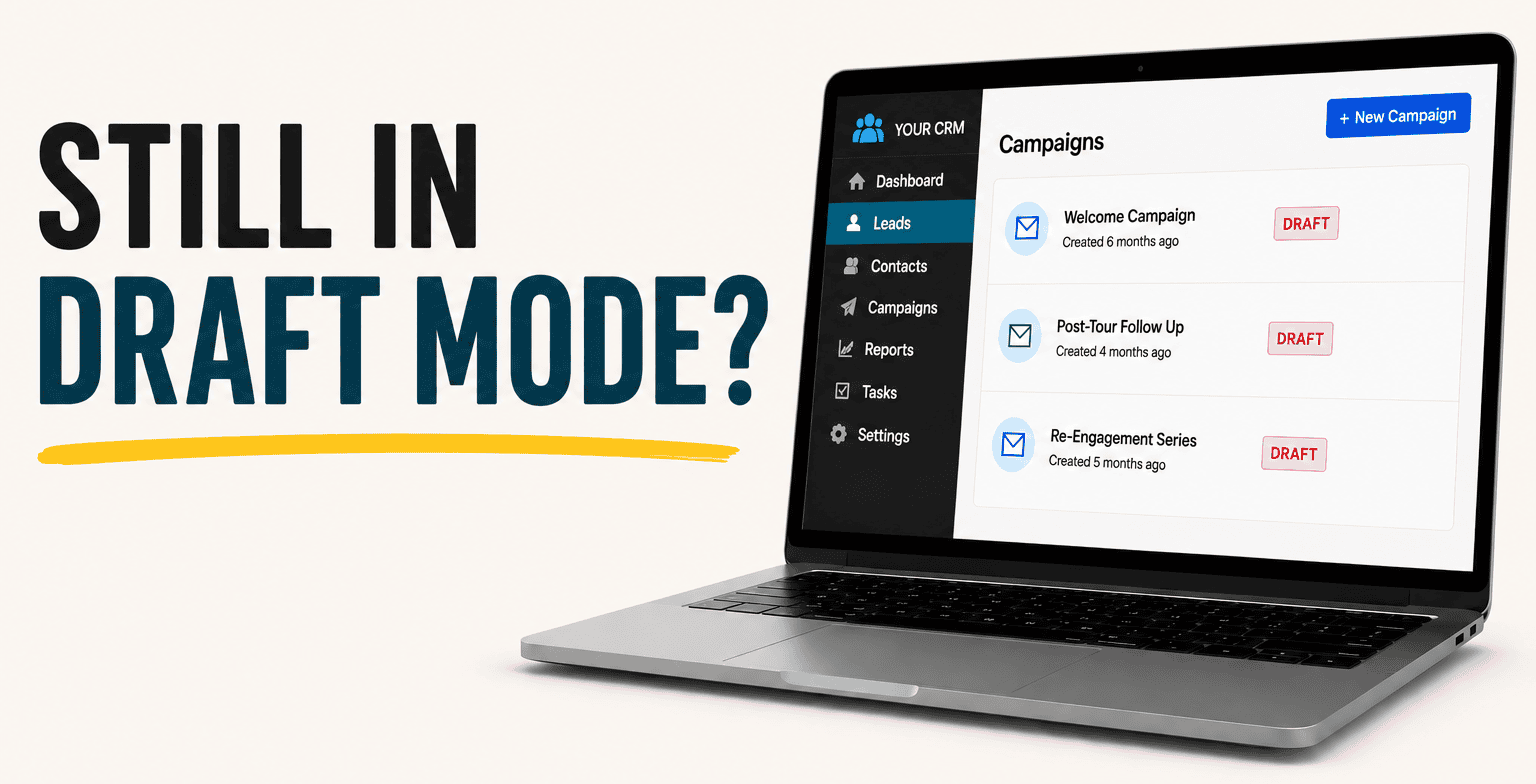
Experiment Before Leadership Asks
The most innovative marketers don’t wait for leadership or clients to ask about new technologies. They’re already testing them.
This doesn’t mean implementing every new platform. It means maintaining curiosity.
When AI tools, new advertising capabilities, or emerging platforms appear, dedicate time to understanding their potential applications before they become mainstream expectations.
By the time leadership asks, “Should we be using this?” you’ll already have informed recommendations.
The Channels and Skills That Will Matter Most in 2026
Search Visibility: SEO and GEO
Search remains one of the highest-intent acquisition channels available. Families researching senior living communities often begin their journey online, making visibility critical throughout the decision-making process.
However, search is evolving. Traditional SEO remains important, but marketers should also begin paying attention to Generative Engine Optimization (GEO) as AI-powered search experiences continue to influence how people discover information. Teams that understand search intent, content authority, local optimization, and AI discoverability will be better positioned for long-term success.
AI Literacy
AI isn’t replacing marketers. It’s raising the bar for marketers. As content creation becomes easier and automation becomes more accessible, strategic thinking, creativity, and customer understanding become even more important. The future belongs to marketers who can effectively combine technology with human insight.
Every marketer doesn’t need to become an AI expert. However, every marketer should understand:
- Prompt development
- AI-assisted content creation
- Workflow automation
- Research applications
- Data analysis support
- Ethical AI considerations
The goal isn’t replacing human marketers. It’s increasing efficiency and effectiveness.
Data & Analytics
Marketing leaders are increasingly expected to demonstrate business impact. Teams that understand data can identify performance trends, improve campaign effectiveness, optimize budgets, forecast outcomes, and connect marketing activities directly to occupancy goals.
This is especially important in senior living, where long sales cycles often make attribution challenging. Understanding analytics, CRM reporting, conversion tracking, and journey mapping helps marketers move beyond vanity metrics and focus on outcomes that matter.
Marketing Automation
Marketing automation is quickly becoming a foundational skill for modern marketing teams. Automation allows organizations to deliver personalized experiences at scale through lead nurturing, audience segmentation, behavioral triggers, CRM integrations, and email workflows.
Important skills include:
- Workflow development
- Lead nurturing
- Audience segmentation
- Behavioral triggers
- CRM integration
- Email automation
More importantly, automation isn’t about replacing human interaction. It’s about ensuring prospects receive the right information at the right time while freeing your team to focus on meaningful conversations. When done well, automation supports both efficiency and resident experience.
First-Party Data Ownership
As privacy regulations evolve and third-party tracking becomes less reliable, organizations that effectively collect and activate first-party data will have a significant advantage.
In an industry that has historically relied heavily on referral sources and third-party listing sites, owning your website traffic, CRM data, and customer journey insights is becoming increasingly important. The communities that own their digital assets will have greater control over their future marketing performance.
This isn’t just a technology conversation. It’s a business strategy conversation.
Video Content
Video continues to be one of the most effective tools for building trust and engagement. Community tours, resident stories, educational content, team spotlights, and event highlights help prospects experience your community before they ever schedule a visit.
As families increasingly expect transparency throughout the buying journey, video offers a powerful way to humanize your brand and create authentic connections.

The Human Skills Becoming More Valuable
Empathy & Customer Understanding
Senior living decisions are deeply emotional. Families often experience uncertainty, stress, and significant life transitions. Marketing that demonstrates empathy creates stronger connections and greater trust.
Brand Messaging & Differentiation
We’re entering a period where nearly every organization has access to the same AI tools, the same marketing platforms, and similar automation capabilities. The differentiator won’t be technology. It will be clarity. Communities that understand what makes them different and communicate it consistently will stand out in a crowded marketplace.
The communities that stand out will be the ones that clearly communicate:
- Why they exist
- Who they serve
- What makes them different
- Why families should trust them
Strong positioning becomes a competitive advantage. If you could use help identifying your community’s differentiators, you may benefit from a PowerHour session. Learn more here.
Understanding Audience Personas
The future resident isn’t always the decision-maker. Marketing teams must understand the motivations, concerns, and information needs of multiple audiences, including prospective residents, adult children, referral partners, healthcare professionals, and family influencers.
The deeper your understanding of these audiences’ needs, concerns, and motivations, the more effective their campaigns become.
Adaptability & Continuous Learning
Perhaps the most important skill marketers can develop is adaptability.
The pace of change isn’t slowing down. New AI tools will emerge. Consumer expectations will evolve. Search behavior will continue shifting. The marketers who succeed won’t be the ones who memorize every tactic. They’ll be the ones who remain curious, embrace change, and continuously seek opportunities to learn.
Building a Culture Around Senior Living Marketing Resources
As former operator marketers, we’ve sat in the seats of the teams we serve. We understand the pressure of occupancy goals, executive reporting, sales alignment, budget constraints, and the constant demand to do more with less. That’s why our approach has never been focused solely on implementing tools or launching campaigns. It’s focused on helping marketing teams develop the skills, systems, and strategic mindset needed to succeed long after a project is complete.
Professional development isn’t just an individual responsibility. It starts with leadership.
The strongest organizations intentionally create environments where curiosity is encouraged and continuous improvement is expected.
Encourage Curiosity
Leaders should reward exploration, experimentation, and thoughtful risk-taking.
When team members discover new approaches, create opportunities for them to share what they’ve learned.
Train the Team, Not Just the Technology
The reality is that new technology will continue to emerge. AI platforms will evolve. Marketing automation capabilities will expand. Search behavior will change. But organizations that invest in developing their people will always be better positioned to adapt.
When marketing leaders prioritize training, mentorship, and ongoing learning, they create internal marketing muscle that compounds over time. Teams become more confident, more strategic, and better equipped to connect marketing efforts to meaningful business outcomes.
The goal isn’t simply to adopt the latest technology. It’s to build a team that knows how to use technology strategically to drive occupancy growth, strengthen brand differentiation, and improve the resident and family experience.
Create Internal Knowledge-Sharing Sessions
Examples include:
- Conference takeaways
- New AI tools
- Campaign case studies
- Industry trend updates
- Platform changes
- Competitive insights
Learning becomes more powerful when it’s shared.
Build Team Training Plans
Instead of approaching development reactively, create annual learning plans.
Identify:
- Organizational goals
- Required skill gaps
- Certification opportunities
- Conference attendance priorities
- Leadership development objectives
A structured plan ensures growth remains aligned with business objectives.
Measure Learning Outcomes
Learning should ultimately drive performance.
Consider tracking:
- Certification completion
- Skill development progress
- Technology adoption rates
- Campaign improvements
- Lead generation impact
- Conversion improvements
Leadership teams that prioritize senior living marketing resources and ongoing education often see stronger marketing performance, greater innovation, and improved employee engagement.
The Best Investment Marketers Can Make
The marketers who thrive in 2026 won’t be the ones using every new tool. They’ll be the ones who continuously learn, test new ideas, challenge assumptions, and combine technology with strategic human insight.
For senior living organizations, investing in learning isn’t just professional development. It’s a competitive advantage.
The most effective senior living marketing resources won’t simply teach marketers how to use new tools. They’ll help teams develop the strategic thinking needed to drive occupancy growth, strengthen brand differentiation, and improve resident experiences.
The communities that outperform their competitors in the years ahead won’t necessarily have the largest marketing budgets. They’ll have teams that are committed to continuous learning and equipped to turn insights into action.
Because when marketing teams grow, occupancy grows, resident experiences improve, and organizations become better equipped to serve the families who depend on them.
Learn how SGD empowers senior living marketing teams with workshops, training, and consulting opportunities. Book a call today!