
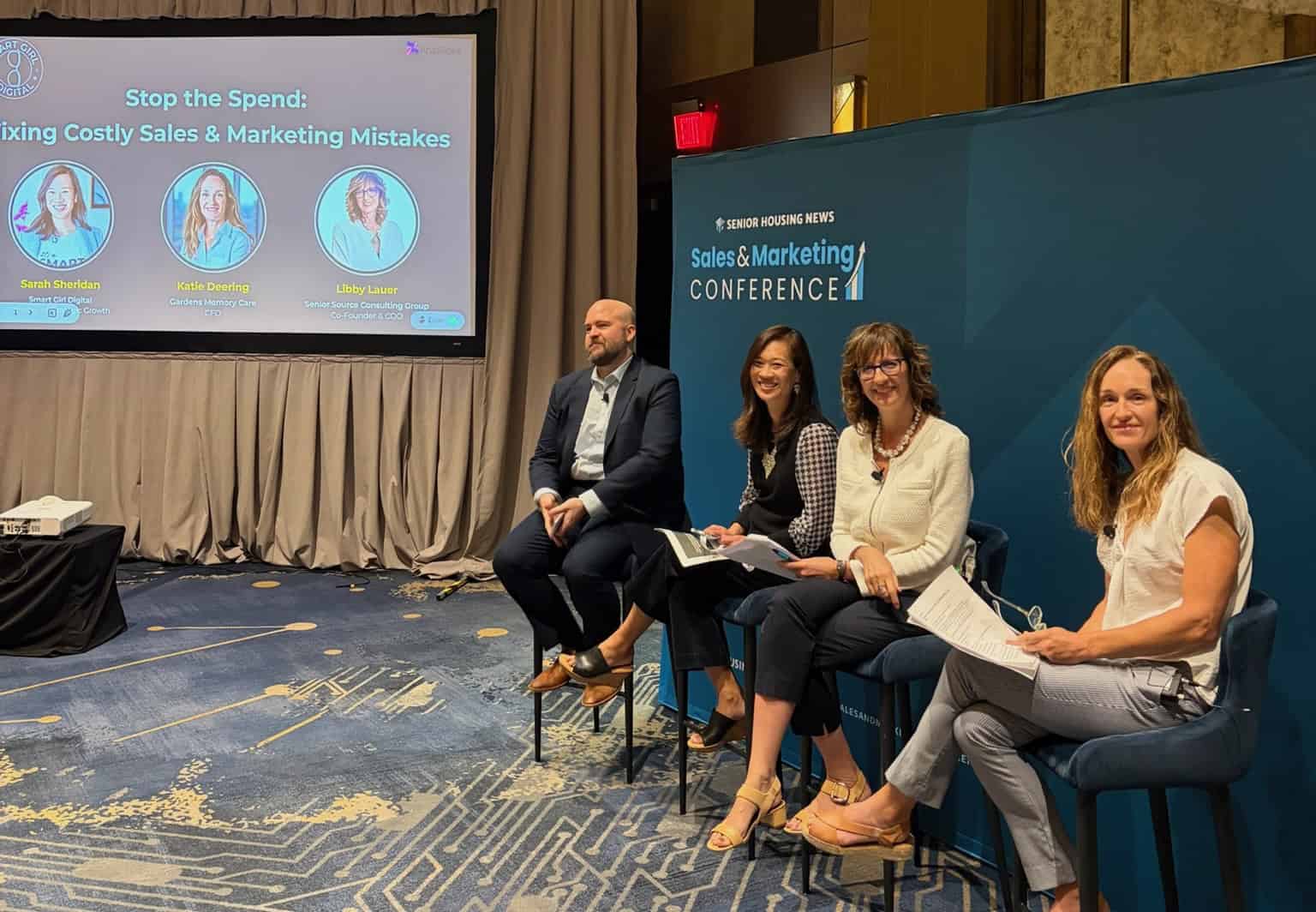
How do we stop wasting our sales and marketing budget in an increasingly competitive market?
The session brought together perspectives from marketing, sales, and operations to examine where communities are unintentionally losing momentum and how small improvements can significantly improve ROI.
The panel included:
- Sarah Sheridan, Director of Strategic Growth, Smart Girl Digital
- Libby Lauer, Co-Founder and COO, Senior Source Consulting
- Katie Deering, CFO, Gardens Memory Care
Together, the group explored where senior living marketing budgets are leaking, what operators often overlook, and how leaders can tighten their systems to make every marketing dollar work harder.
The Truth About Lost Sales and Marketing Budget Dollars
A survey of 1,000 marketers by Rakuten Marketing found that, “On average, marketing teams waste about 26% of their total marketing budget on ineffective channels and strategies. In other words, roughly $1 out of every $4 spent on marketing goes to waste.”
One of the key reasons discussed during the panel is that marketing waste rarely comes from one large mistake.
It typically happens through small breakdowns across the marketing, sales, and operational journey.
For example:
- Leads generated but never followed up on
- Websites that attract traffic but fail to convert
- Messaging that sounds identical to competitors
- Technology platforms that don’t communicate with each other
- Sales processes that stop short of asking for the next step
When these breakdowns compound, communities may spend heavily on marketing but fail to see the return.
And that return matters. During the session, the audience was reminded that the average senior living community spends roughly $400 to generate a single website lead.
If those leads are missed or mishandled, the cost multiplies quickly. senior living marketing budget
The Real Impact of Messaging & Price Transparency in Senior Living
When asked which mistake will become even more costly in the next year, the leading response was:
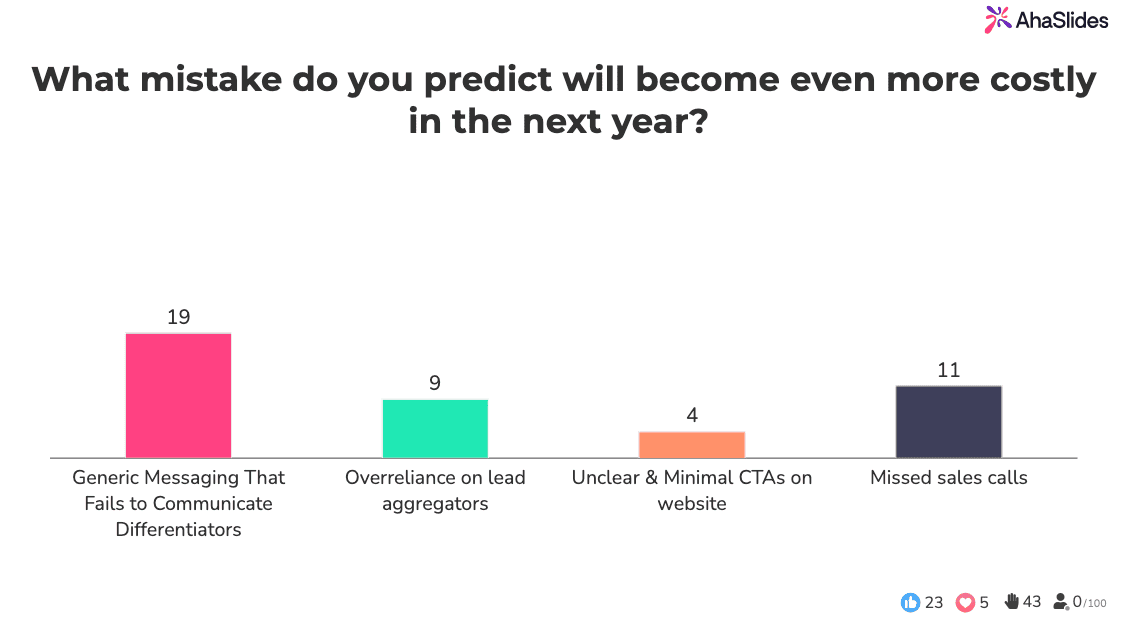
This result resonated strongly with the panel.
In a market where many communities offer similar services and amenities, clear differentiation is becoming one of the most important drivers of marketing ROI.
The audience also weighed in on pricing transparency.
When asked how much more likely a prospect is to move in after viewing pricing online, the answer shared during the panel was striking:
Prospects are 25 times more likely to move forward after seeing pricing.
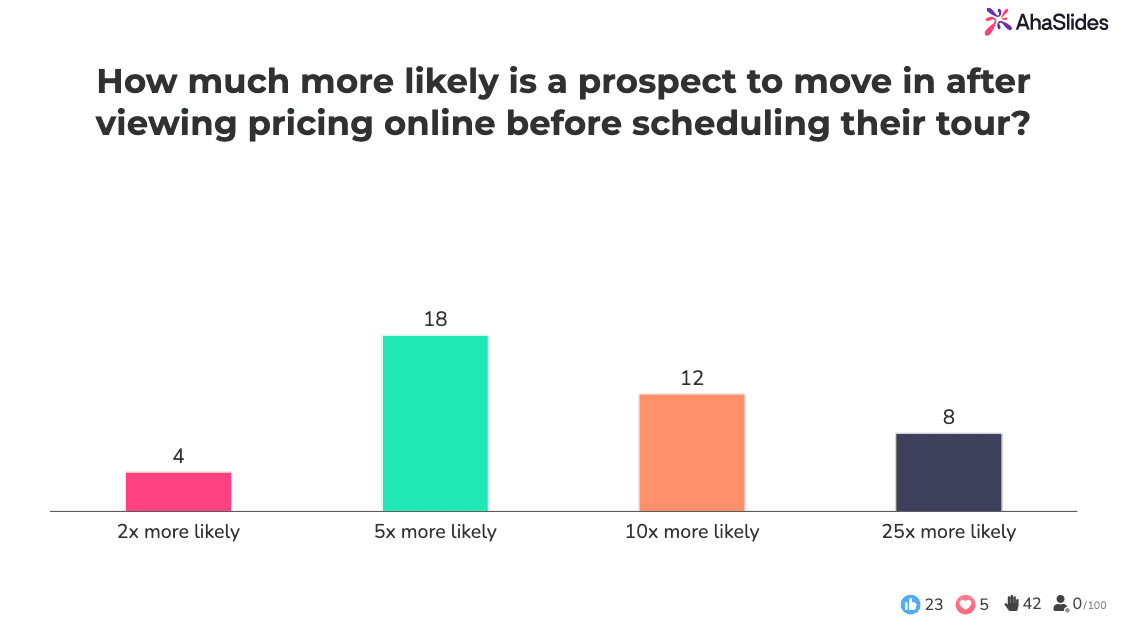
Adding pricing to the website helps senior living operators attract better-qualified prospects and allows sales teams to focus their time on families who are more likely to be a good fit. senior living marketing budget
5 Ways Senior Living Sales and Marketing Budget is Wasted
Missed or Delayed Lead Follow-Up
Marketing teams work hard to generate leads, but the value of those leads drops quickly when follow-up is delayed or inconsistent.
In senior living, speed and responsiveness matter. Families often begin their search during stressful or urgent moments. If a community does not respond quickly to an inquiry, that prospect may move on to another option before a conversation even begins.
Even small operational gaps—missed voicemails, unclear ownership of inquiries, or inconsistent processes—can interrupt the lead journey. When that happens, the marketing investment that generated the inquiry is essentially lost.
Websites That Generate Traffic but Don’t Convert
Another common challenge is when a community successfully attracts website traffic but struggles to convert that traffic into meaningful engagement.
Many senior living websites rely heavily on a single call to action: schedule a tour. While tours are an important step in the process, not every visitor is ready to commit to that action immediately.
Prospects may be researching care options, comparing communities, or learning about services long before they are ready to speak with a salesperson. If the website does not provide ways for those visitors to engage earlier—such as educational resources, guides, or softer conversion points—opportunities can slip away.
Your website should function as a digital front door, welcoming prospects wherever they are in the decision-making journey.
Messaging That Fails to Differentiate
One of the strongest signals from the audience poll was the concern around generic messaging.
In many markets, communities describe themselves using similar language: compassionate care, beautiful amenities, engaging activities, experienced staff.
While these statements may be true, they rarely help families understand what actually makes one community different from another.
When messaging lacks clear differentiation, prospects often default to comparing communities on price alone. That dynamic can make marketing less effective and sales conversations more difficult.
Identifying and communicating true differentiators, whether they relate to care philosophy, operational strengths, leadership stability, or resident experience, is essential for standing out in a competitive market.
Technology That Doesn’t Tell the Full Story
Another area where marketing dollars can be wasted is within the technology stack itself.
Many organizations rely on multiple platforms to track marketing performance, manage leads, and monitor sales activity. But if those systems are not integrated, they may produce incomplete or even misleading data.
Marketing reports may show strong lead volume, while sales data tells a different story about conversion. Without a unified view of the prospect journey, it becomes difficult to understand which channels are actually driving move-ins.
For leaders trying to allocate marketing dollars effectively, having clean, connected data is critical.
Sales Processes That Stop Short of the Next Step
Finally, even when marketing generates strong leads and prospects complete tours, momentum can still stall.
Tours sometimes focus heavily on the building itself rather than the prospect’s personal needs or emotional concerns. In other cases, the tour ends without a clear next step for the family.
When that happens, families leave without a defined path forward, and the opportunity to move the relationship closer to a decision is missed.
Sales processes that consistently guide families toward the next step—whether that’s scheduling another visit, placing a deposit, or connecting with leadership—help ensure that marketing investments translate into real results.
Three Easy Fixes to Stop the Spend
Marketing Fixes
- Don’t ignore top-of-funnel prospects
Not every website visitor is ready to schedule a tour. Communities should provide resources and softer calls to action that capture interest earlier in the journey.
- Build a long-term nurture strategy
Prospects are beginning their search earlier than ever, which means communities must stay engaged through ongoing education and communication.
- Eliminate generic messaging
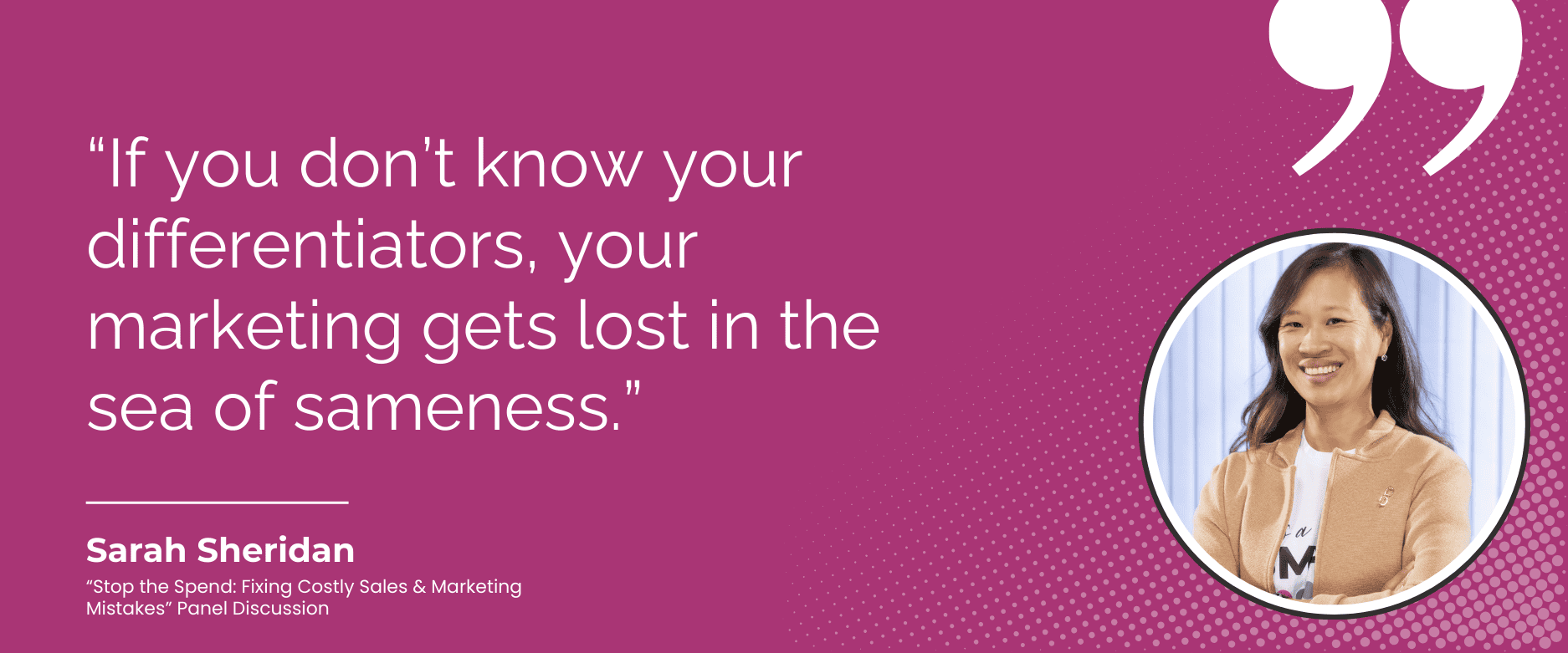
Your website, ads, and emails should clearly communicate what makes your community different. Without strong differentiation, marketing gets lost in a sea of similar messaging.
Sales Fixes
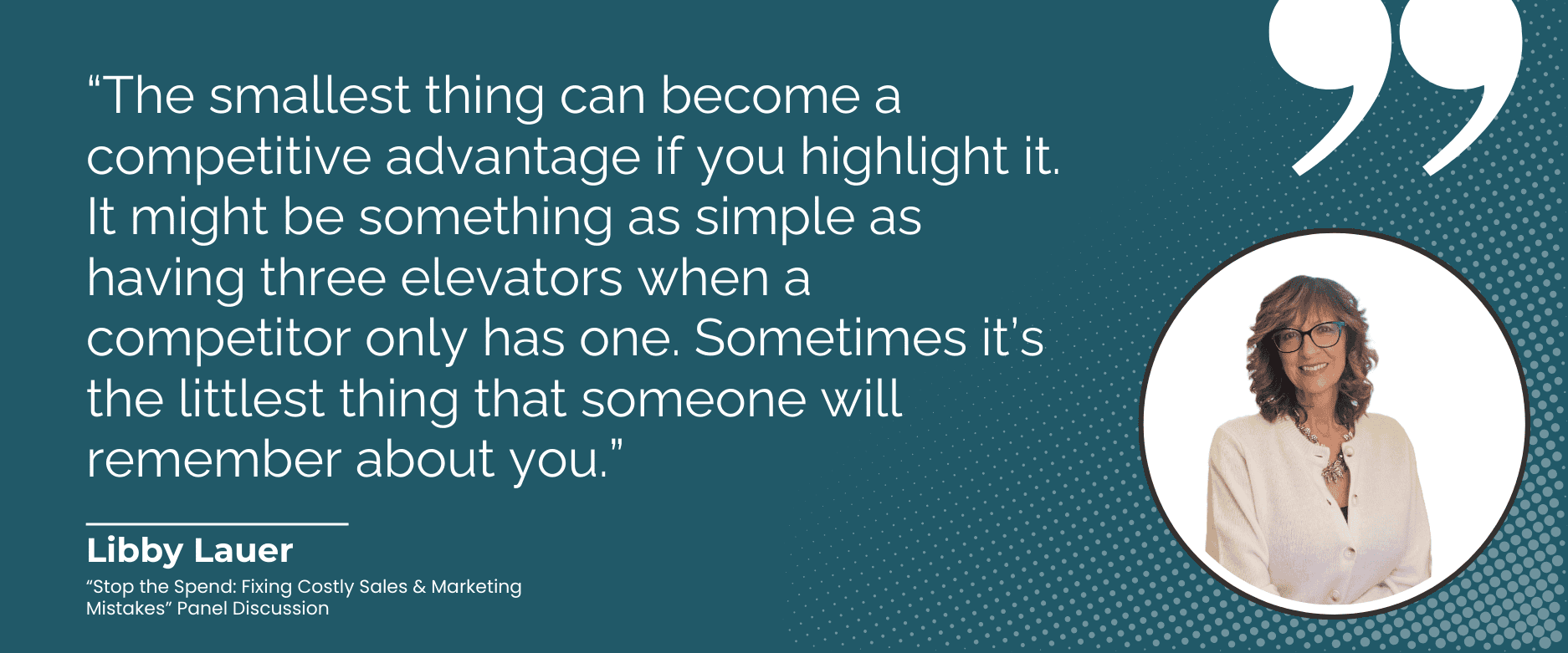
- Replace the “over here” tours with personalized tours
Tours should focus on the prospect’s personal needs rather than simply walking through the building.
- Intentionally include people in the experience
Introduce prospects to residents, staff, and leadership whenever possible to create emotional connection.
- Carry the tour through to 100%
Many tours end with a brochure and an invitation to call later. Sales teams should confidently outline the next step and guide families forward.
Operational Fixes
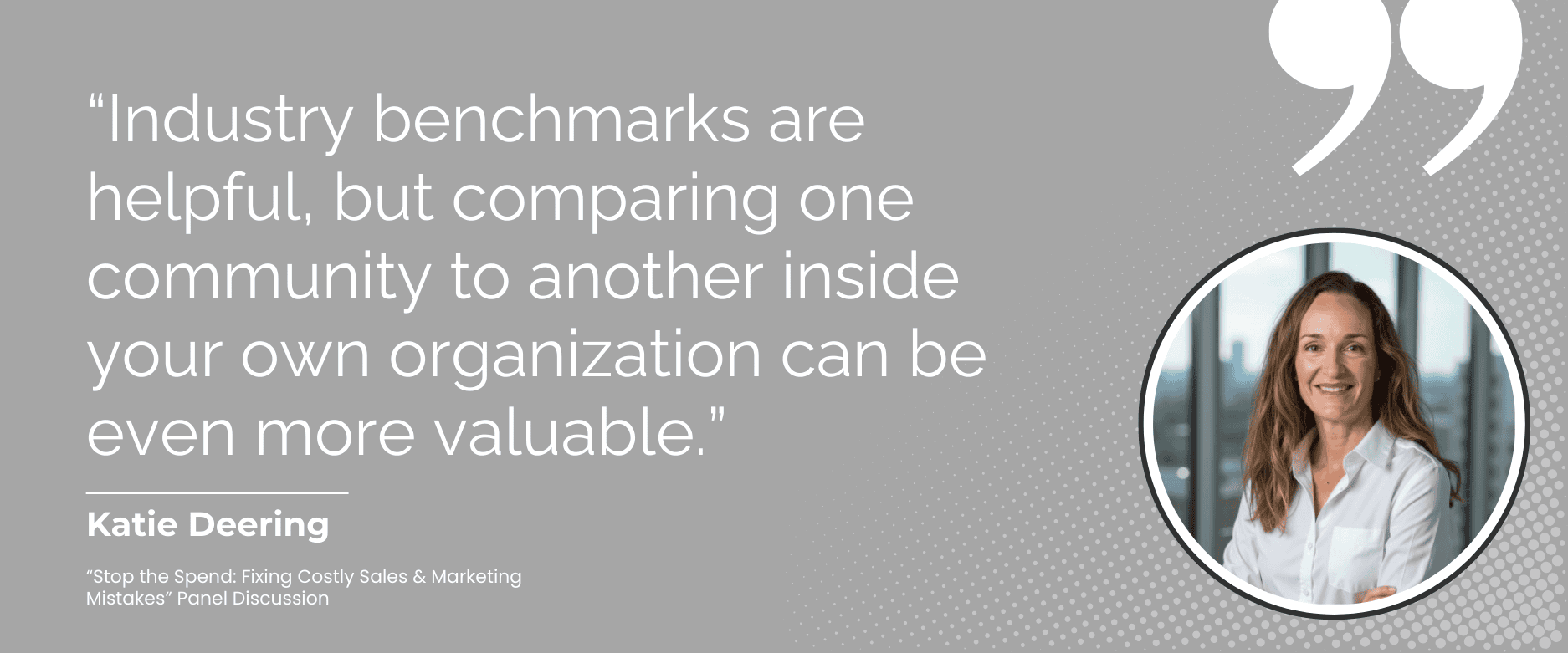
- Benchmark internally before looking at industry benchmarks
Comparing performance across your own communities can reveal inefficiencies more clearly than broad industry averages.
- Centralize Purchasing & Audit Recurring Vendor Spend
Sometimes, services that make sense for larger organizations or previous management structures may not be the right fit for a smaller portfolio of communities.
- Control Labor Overspend Before Touching Marketing Dollars
Labor represents 60–70% of operating costs in senior living. Even small improvements in overtime or agency usage can protect marketing budgets.
The Big Takeaway: Stop Guessing and Start Optimizing
Many communities don’t necessarily need to spend MORE on marketing.
They need to optimize how their current marketing budget is working.
That means looking closely at the entire prospect journey:
- Are leads being followed up on immediately?
- Does the website convert different types of prospects?
- Are differentiators clearly communicated?
- Do sales and marketing use the same messaging?
- Does the data tell one clear story?
Improving alignment across marketing, sales, and operations allows communities to convert more of the opportunities they already have.
When systems work together—marketing attracting the right prospects, sales guiding families through a thoughtful process, and operations maintaining financial discipline—every marketing dollar becomes more effective.
Want to See Where Your Community May Be Losing Momentum?
Smart Girl Digital works with senior living organizations through Power Hour, a focused strategy session designed to uncover gaps in messaging, digital presence, and competitive positioning.
The insight you will gain from a Power Hour includes the following:
- A 1-page Ideal Prospect Persona snapshot
- A Message Map with core differentiators and proof points
- A 90-Day Priority Grid
- A written 90-Day Action Plan tied to your goals
- A mini-audit covering SEO, paid media, and automation
- Clear next-step recommendations (with Smart Girl Digital or your internal team)
The goal is simple: help your current marketing budget work harder.
If one of your communities is struggling to convert traffic into qualified leads, a Power Hour can quickly surface where improvements can make the biggest impact.
SSCG provides strategic guidance and services for the senior living industry designed to close performance gaps by helping clients improve occupancy and sales results. https://www.seniorsourceconsulting.com/