What Does “Ghosting” Mean in Senior Living Sales & Why Does It Happen?
If you work in senior living sales, this scenario may sound familiar.
You’ve had a great conversation with a senior and their family member. They asked thoughtful questions, expressed concerns openly, and maybe even toured the community. The interaction felt positive, perhaps even promising. You follow up a few days later… and hear nothing. No call back. No email reply. Silence.
This is what we call “ghosting.”
Ghosting can be frustrating, confusing, and even discouraging for sales professionals who are genuinely trying to help families through a difficult transition. It’s easy to internalize the silence and wonder: Did I say the wrong thing? Did I push too hard? Did they lose interest?
While self-reflection is healthy, the reality is this: ghosting in senior living sales is rarely personal and almost never about a single interaction.
More often, it’s a reflection of the emotional weight families are carrying as they navigate one of life’s most complex decisions.
How Marketing Can Support Sales When Ghosting Occurs
When a prospect goes quiet, it doesn’t mean the opportunity is lost. In senior living, cold leads aren’t dead leads. Instead, they’re often families waiting for the right emotional or situational trigger to re-engage. Marketing plays a critical role during this phase by continuing to nurture the lead, build trust at scale, and give prospects something new and meaningful to respond to.
Here are some tactical Marketing Strategies to nurture “Quiet” prospects:
Leverage Online Reviews as Trust Builders
Strong Google reviews correlate with higher conversion metrics for communities. Reviews act as powerful social proof, often validating what sales teams say while easing fear and uncertainty for families facing a life-changing decision. Marketing should actively support review generation and strategically incorporate testimonials into emails, landing pages, and retargeting campaigns.

Clearly Communicate Community Differentiators
In an AI-driven world where marketing content often sounds the same, differentiation is essential. If your emails, ads, or website messaging blend in with competitors, prospects have no reason to respond.
Marketing should clearly define and consistently communicate:
- What makes your community meaningfully different
- Who your community is best suited for
- Why that difference matters to the prospect’s specific concerns
Clarity cuts through noise and silence.
Shift Messaging to Make the Prospect the ‘Hero’
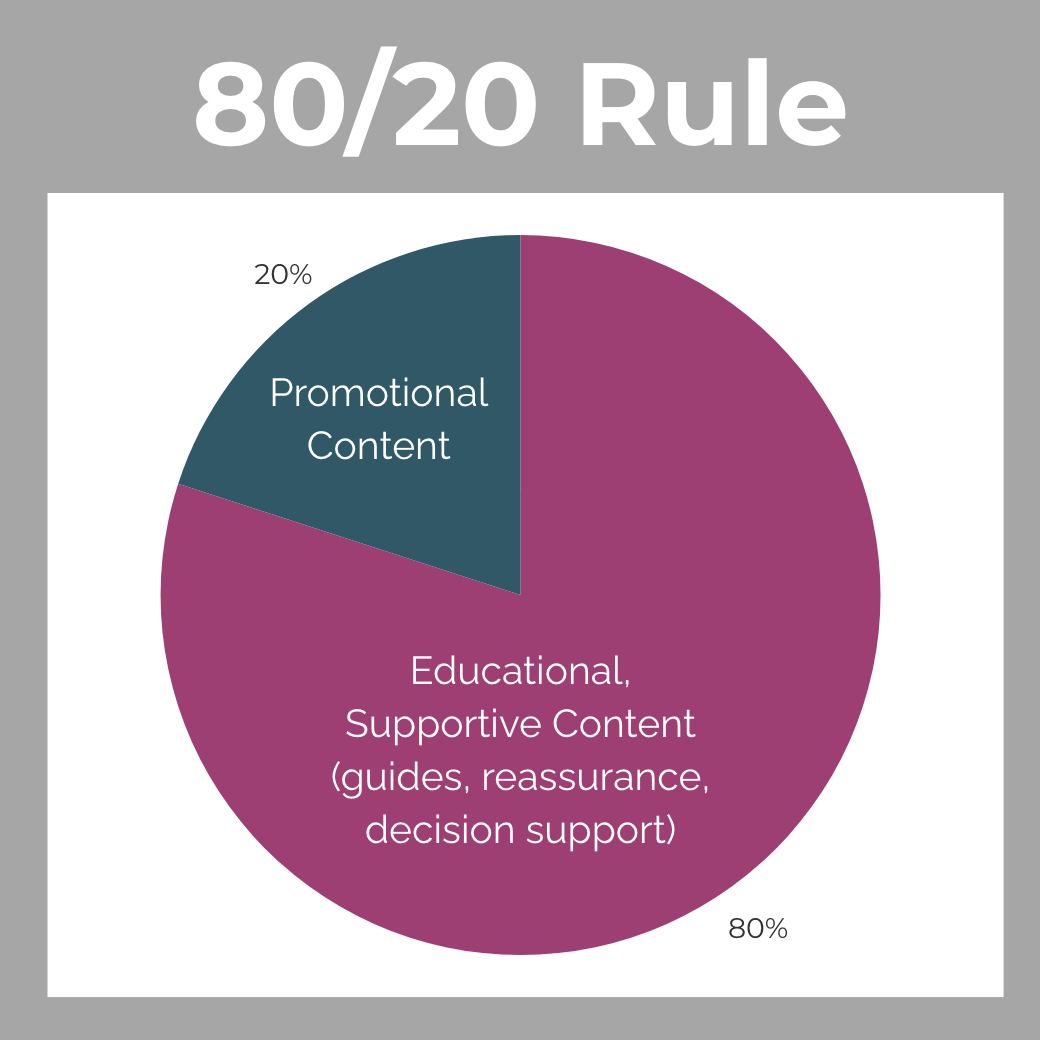
Effective nurturing content focuses on the prospect, not the community. Following the 80/20 rule helps:
- 80% educational, supportive content (guides, reassurance, decision support)
- 20% promotional content about the community
This approach builds trust and positions your brand as a helpful guide rather than a salesperson, making it easier for families to re-engage when they’re ready.
Use Personalized Automation to Support Sales Focus
Smart automation ensures the right message reaches the right prospect at the right time, without overwhelming sales teams. Personalized nurture campaigns allow sales counselors to focus on active, ready-to-move prospects while marketing continues to build trust with those who’ve gone quiet.
For senior living marketing teams, automation and CRM-based nurture workflows allow sales counselors to stay focused on tour-ready prospects while marketing supports long-term trust building.
Learn How The Gatesworth Turned Automation Into Authentic Connection here.
Rethink the Offer & Call-to-Action [CTA]
“Schedule a tour” isn’t the only—or always the best—next step. Consider alternative calls to action that feel lower pressure, such as:
- Downloading a decision guide
- Attending a virtual event
- Receiving a caregiving checklist
- Watching a short resident story
The right offer reduces emotional resistance and invites engagement without forcing a decision.
What to Do When a Prospect Goes Quiet: A Simple Framework

When ghosting happens, marketing becomes the bridge between silence and readiness. By delivering trust-building, prospect-centered messaging across multiple channels, marketing helps sales stay present, without pressure, until families are emotionally prepared to move forward.
For Sales Teams:
- Normalize the pause. Don’t assume rejection
- Maintain structured, low-pressure follow-up
- Share helpful resources, not just availability
For Marketing Teams:
- Deliver educational nurture content
- Reinforce trust with reviews and stories
- Offer low-commitment engagement options
Because in senior living, progress isn’t driven by follow-up frequency. It’s driven by trust, timing, and emotional readiness.
Why Do Prospects Ghost in Senior Living Sales?
Choosing senior living is not a transactional decision. It’s emotional, layered, and often tied to guilt, fear, grief, and uncertainty. When families go quiet, it’s usually because they are processing much more than pricing and floor plans.
Here are some of the most common reasons prospects disengage temporarily:
- Emotional Overwhelm: Families hit pause when feelings get heavy
- Different Timelines: They need more time than expected
- Life Chaos: Caregiving + Crisis = silence
- Avoiding discomfort: ‘Not Ready Yet’ is hard to say
- Private Research: They are likely continuing their research, just quietly
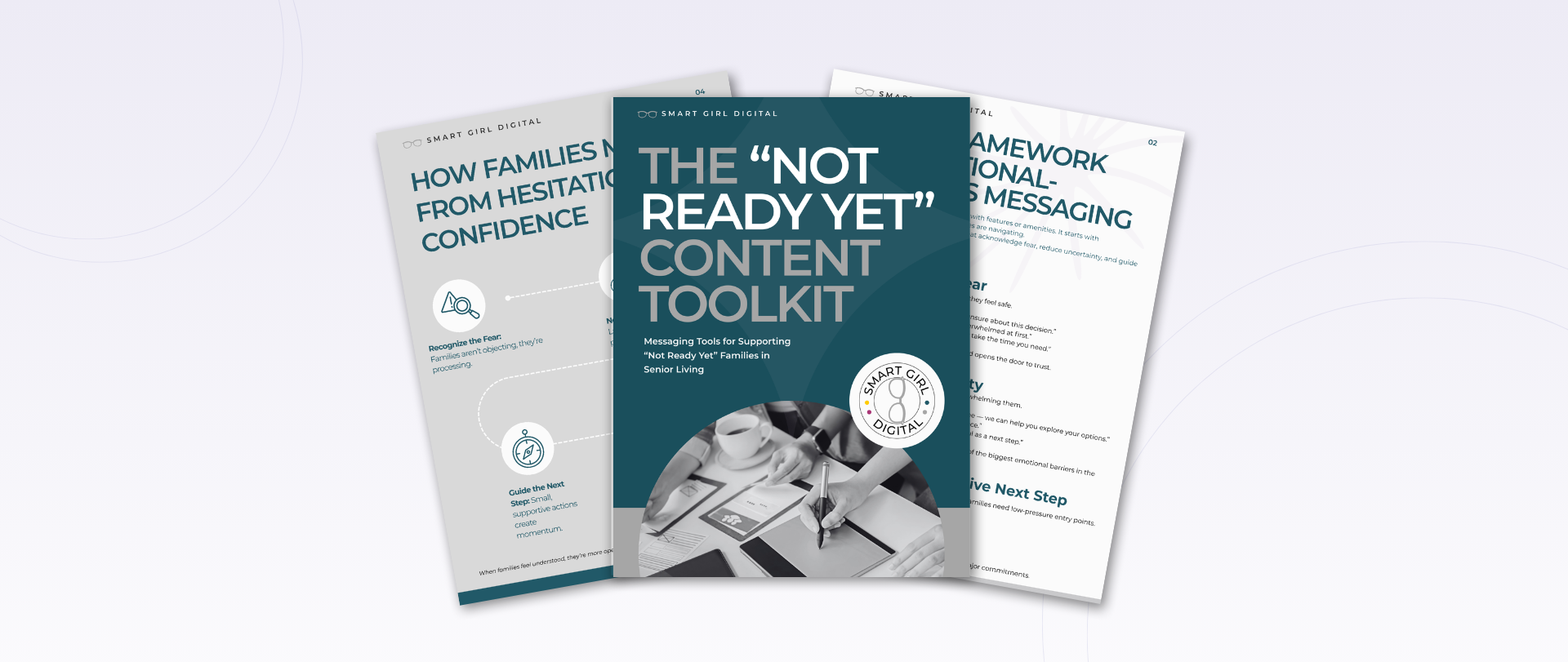
Explore our Not Ready Yet Toolkit for proven messaging strategies that help you stay connected, build trust, and re-engage families when timing matters most.
💬 FAQs: Ghosting in Senior Living Sales & Marketing
❓ What should senior living sales teams do when a prospect goes quiet?
Senior living sales teams should maintain low-pressure, structured follow-up focused on helpful resources rather than urgency. Sharing guides, stories, or educational content keeps the relationship warm without pushing for immediate decisions.
❓ What type of content works best for nurturing leads in senior living marketing?
Educational, empathetic content performs best in senior living marketing. This includes decision guides, caregiving resources, resident stories, and FAQs that help families feel supported rather than sold to.
❓ Should senior living sales always push for a tour as the next step?
No. In senior living sales, pushing for a tour too early can increase emotional resistance. Offering lower-commitment actions—like downloading a guide or attending a virtual event—often leads to higher long-term engagement.
❓ Does automation hurt personalization in senior living marketing?
When used correctly, automation enhances personalization in senior living marketing. CRM-based workflows can deliver relevant, timely content while allowing sales counselors to focus on families who are actively ready to move forward.
The Mental Health Impact of Ghosting in Senior Living Sales
Ghosting can be challenging to sales teams, if training and mind-set aren’t set up to overcome these challenges. Sales teams should be encouraged to remember that prospects go silent because of these reasons listed above, not necessarily because of something they did.
Smart Girl recently surveyed 100+ sales leaders on what “What are the top 3 things that negatively affect mental health for sales processions”. Here are the results that were shared:
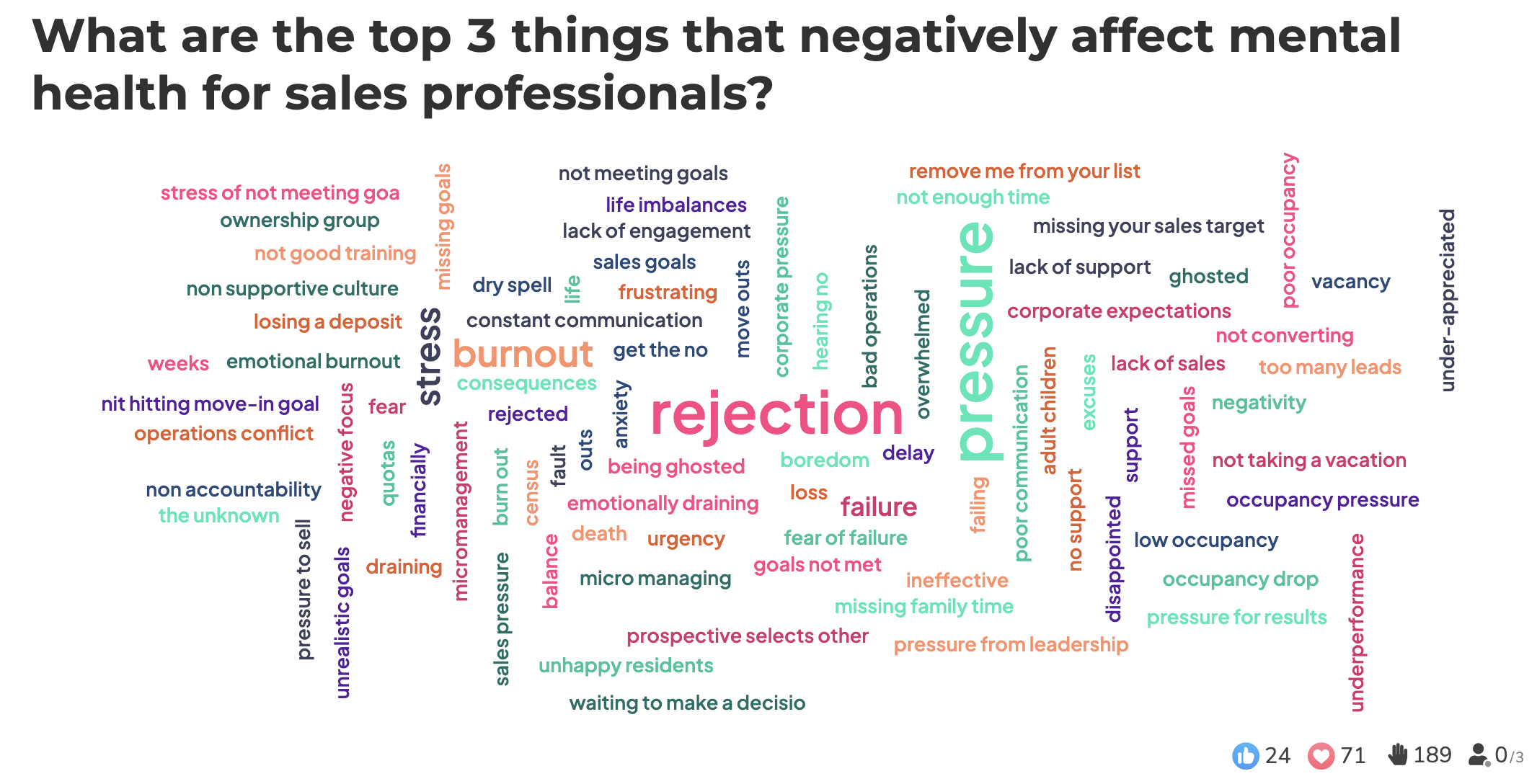
The right right sales training and coaching can help shift mindset in senior living sales teams and encourage them to let go of the outcome during the sales process. Letting go of the outcome can help protect mental bandwidth and shifts focus to structured next-step planning: cadence-based nurturing, task reminders, soft touches, and value-driven follow-up instead of pressure.
Ghosting is rarely about you. It’s about the family’s bandwidth, fear, or timing. Detaching from the outcome helps you stay compassionate, persistent, and confident.
If you need support with personalized follow-up messaging and workflows, book a call with Smart Girl and let’s chat.
Key Takeaways: Ghosting in Senior Living Sales
- In senior living sales, ghosting reflects emotional timing, not true disinterest.
- Senior living marketing sustains trust through education and nurture when families go quiet.
- Sales and marketing alignment converts paused conversations into future move-ins.